Happy Wednesday!
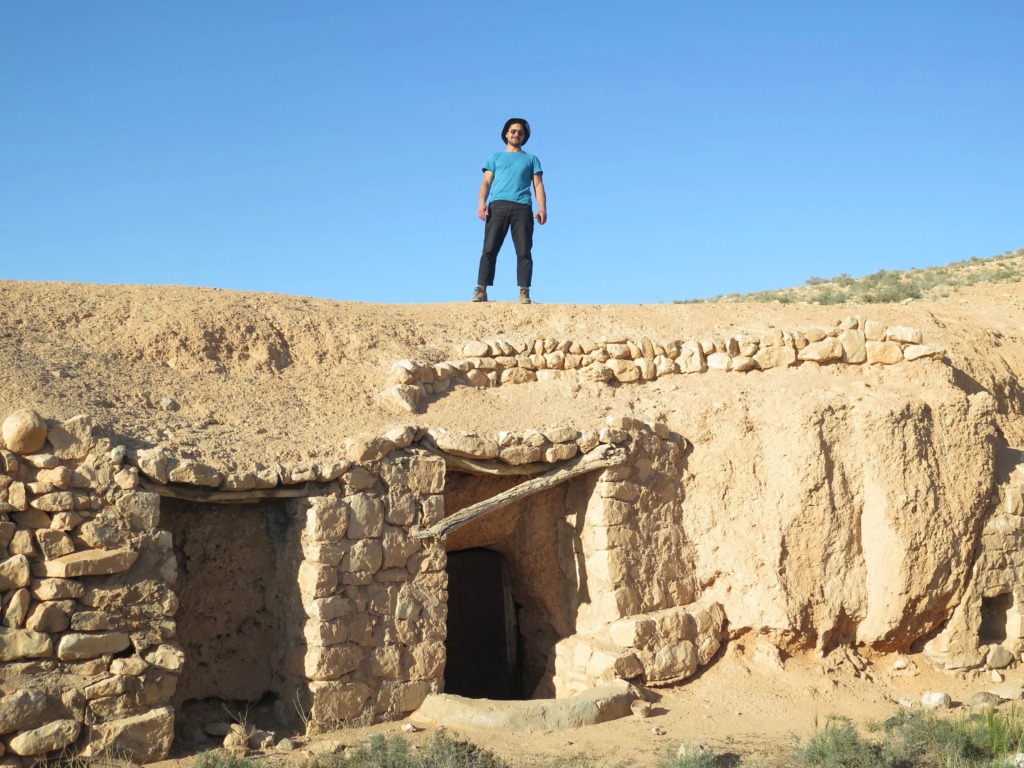
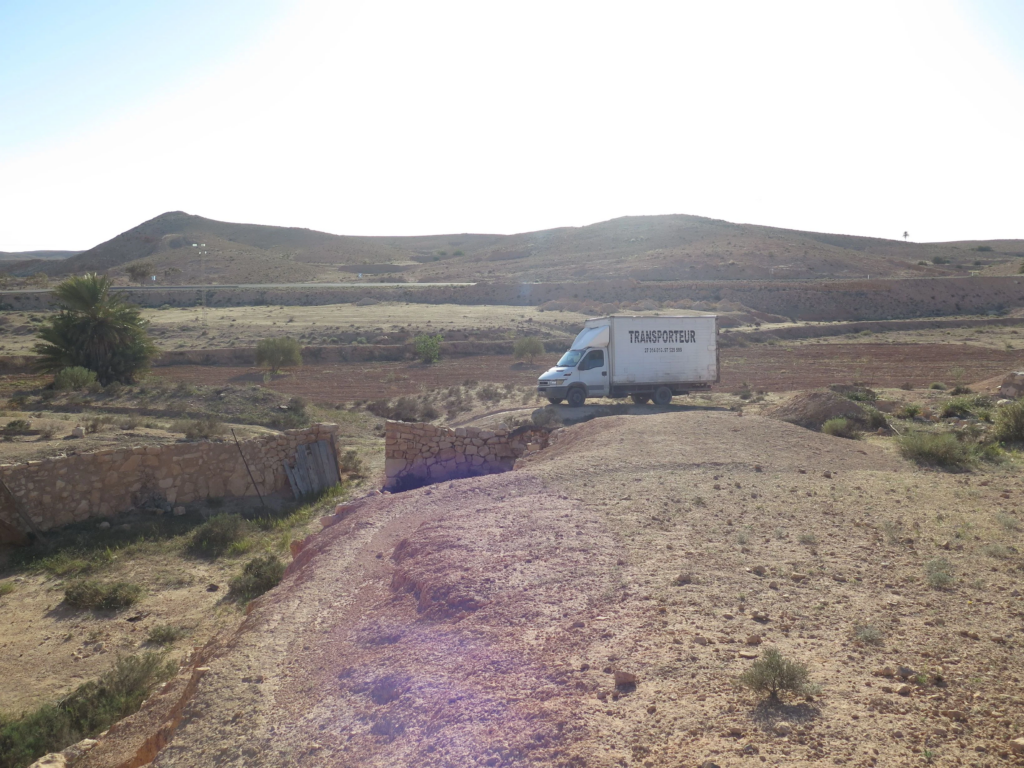
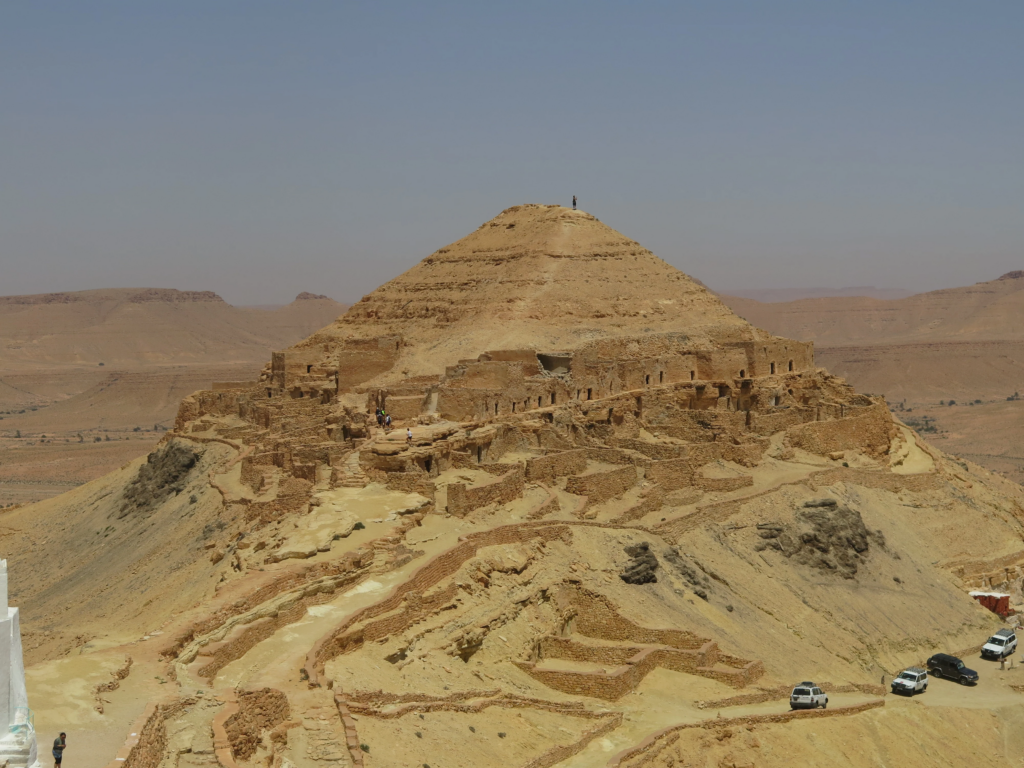
This month, I spent three weeks in Tataouine, the region of southern Tunisia on which George Lucas based the planet Tatooine. If you want, you can book a multi-day tour of all the native Berber villages where scenes of young Anakin were filmed. I opted for a day tour with a geologist instead, who showed me around some dinosaur footprints, cave paintings, and marine fossils from when the region was underwater 150 million years ago.
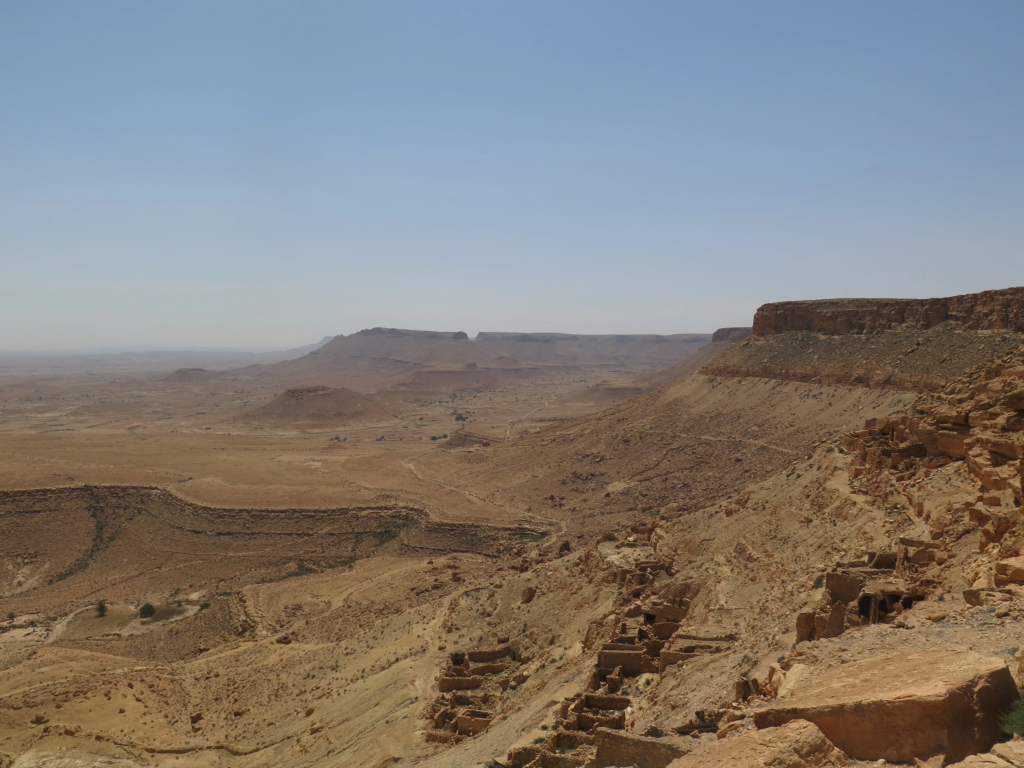
The tourist attractions were great, but I was here for something else: to learn how to grow lush groves of leafy greens, roots, fruits, and herbs on the edge of the Sahara Desert. I found an agro-ecological farm on Workaway, where I worked for about four hours a day in exchange for room and board. Upon arriving, I found my tasks were simple: wheelbarrow and shovel hay around to insulate the ground and keep water from evaporating, weed the onions, and dig rectangular, meter-deep ditches in which to grow dragonfruit.
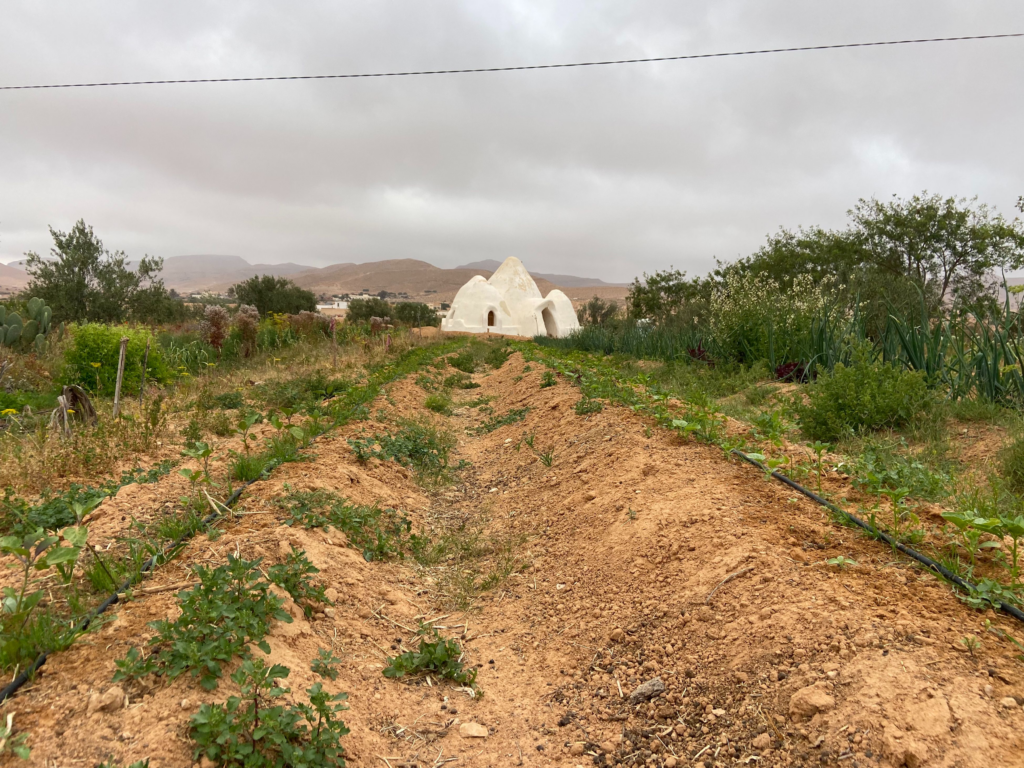
My routine involved waking up at 5:30 to work for a couple of hours before it got too hot, then having dates, nuts, yogurt, and a hard-boiled egg for breakfast. Often, this was followed by a nap and second breakfast. In the afternoons, I read my book and tried to stay abreast of assorted wars and occupations. Then, around 4:30, I wheelbarrowed or dug or weeded until sundown, ate dinner, and went to bed early.
I enjoyed different tasks for different reasons: weeding was contemplative, wheelbarrowing I got to walk around a lot, and digging holes in hard-packed dirt was a great workout. There were other tasks I did not enjoy, like twist-tying strips of potato-sack mesh around long metal poles (purpose unknown). This required great patience and fine motor skills, which I evidently do not possess because I kept poking myself with wire and the mesh kept coming undone and I gave up after about 20 minutes. The host told me not to worry about it and I went back to digging.
I loved gazing out over the holes I dug. There’s really nothing like standing back and admiring your work. Plus, digging makes your back strong. It occurred to me that they should put a spade and a dirt hole in the gym. The Stanley Yelnats machine.
The whole experience reminded me of when I went to the Ecuadorian Amazon, and everyone there was shredded. I don’t mean bulky, Arnold Shwarznegger shredded—I’m talking lean, vascular, and cut. And none of them had ever set foot in a gym (or done Chinese peptides—I think). They just do a sensible, intuitive, average pre-industrial human amount of manual labor every day, which, it turns out, keeps you in great shape.
Unfortunately, in today’s flowering age of globalization, most jobs high on the value chain are sedentary, meaning they slowly kill you if you don’t do something about it on your own time. And with chronic low back pain affecting 1 in 10 adults worldwide, people are increasingly choosing to wake up at ungodly hours just to pick weights up and put them down in a large, mirrored room. No hate on preventing death by 9-to-5—I certainly need exercise to keep me sane, and lifting is often a convenient option. But isn’t it strange that, when we lug heavy stuff around at the gym, none of us are contributing to anything besides our own bodies and/or sanity? Gyms are socially inert spaces, like a stage for letting muscles perform the manual labor humans have done for thousands of years, without achieving any collective results to stand back and admire.
What if, instead of moving standardized weights from one end of an enclosed space to another, people’s combined drive to lift heavy objects were coordinated in an effort to build something together? For instance, I’d like to think that the gym rats of sedentary society are the same ones who, if they lived on an agro-ecological farm in southern Tunisia, would wake up at 5:30 to dig holes, shovel hay, and pull weeds. And if they’re anything like me, they’d have a ball doing it.
But we don’t have to be so outlandish. We can easily imagine, for instance, transforming a portion of the expansive business/shopping complex The Village at San Antonio Center (a five-minute walk from where I grew up) into a community garden.
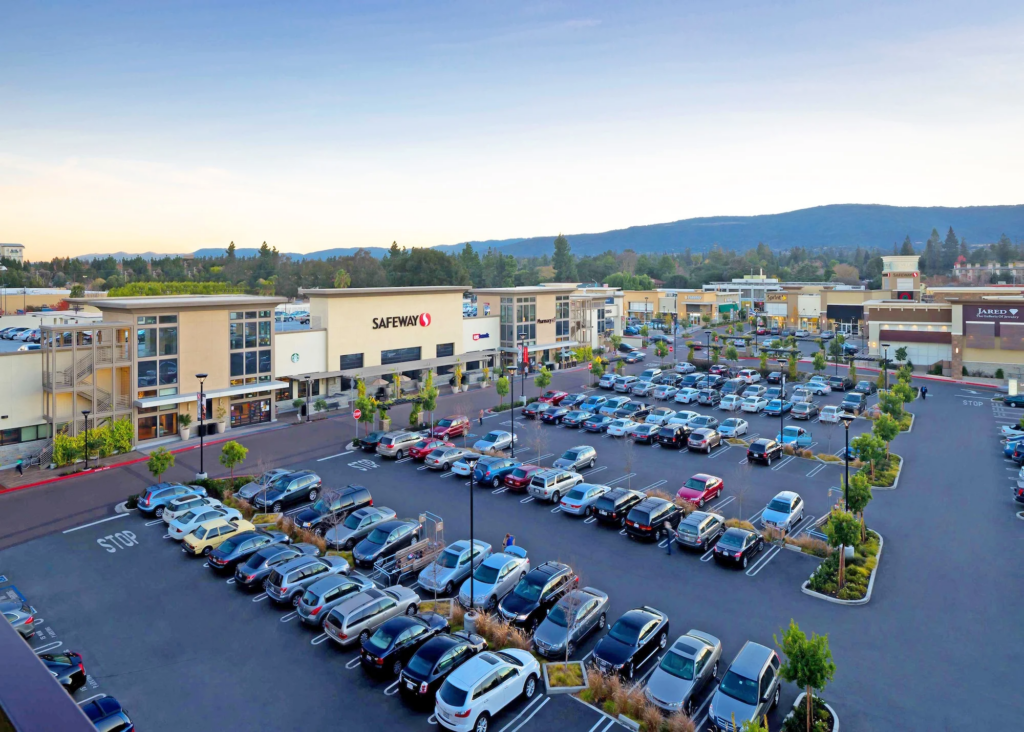
You might be wondering why that’s necessary, when there are already numerous community gardens nearby for botanists and retirees to drink pink lemonade and call bugs by eight-syllable Latin names. Why go around imposing a niche interest on a busy commerce center?
In reality, this question ought to be flipped on its head: at what point did it become common sense to steamroll native flora, which evolved over millions of years to survive the specific stresses of this environment, support innumerable microbes, insects, birds, mammals, and provide our infantile species with ample food, medicine, shade, and beauty, with a petroleum-based compound on which to park an internal combustion engine swaddled in three tons of plastics, metals and rare earth minerals?
I’m not the only one asking: here’s a Chicago Italian with a foul mouth to explain the SPIRITUALLY DEPRAVED & MISERY-INDUCING LANDSCAPES OF NORTH AMERICA. In this marvellous YouTube mini-series, botanist Joey Santore explains, in words you shouldn’t say in front of your grandmother, how business parks and housing developments in South Texas create heat islands and food deserts, squander precious groundwater, and debauch the landscape, all at the same time! (the more atrocious and short-sighted the project, the higher Joey rates it). The project developers invariably plant abysmally-adapted non-native species which require constant irrigation and die within a couple of years anyways, pour concrete (AKA the most destructive material on Earth) like there’s no tomorrow, and impose a sterile, quadratic visual order which violates the most elementary principles of human ecology and biodiversity. It’s no wonder growing up in the suburbs doesn’t exactly inspire a sense of love and respect for nature.
Of course, none of this matters to the real estate developers or private equity that backs it, since they’ll be laughing in Davos when drought, food shortages, and extreme weather events displace, bankrupt, and kill unprecedented numbers of Americans. Large chunks of The Village at San Antonio Center, for example, are owned by Boston-based private equity firm TA Associates, one of the largest in the world (they have also done some fraudulent-looking and fraudulent-confirmed maneuvers worth over $1 billion). It’s worse if you’re Corpus Christi, a city of 300,000 people that is on track to be the first major American city to completely run out of water. Despite this, Corpus Christi’s city council has continued to favor exempting industrial users, who consume 60% of the city’s water, from the same restrictions as residential users. Coastal Bend Coalition, a PAC formed by industrial water users including Valero, ExxonMobil, and Citgo, spent over $700 million during the 2024 election cycle to further their political interests in the region. It goes without saying that, for these conglomerates, the resilience of ecosystems to existential climatic threats is not a consideration.
Community-managed agricultural projects are socially delicate operations, which is why they require generations of education, iteration, communication, and patience. But in order to develop the kinds of landscapes that can survive the crop failures, heat waves, and resource conflicts that will unravel in the next fifteen years, we have to start somewhere. Before coming to this farm, I joined an urban greening project in Tunis, in which a team of engineers, farmers, and activists recruited kids from the neighborhood to transform one of the medina’s many abandoned Garbage Dump Corners into a blossoming garden.
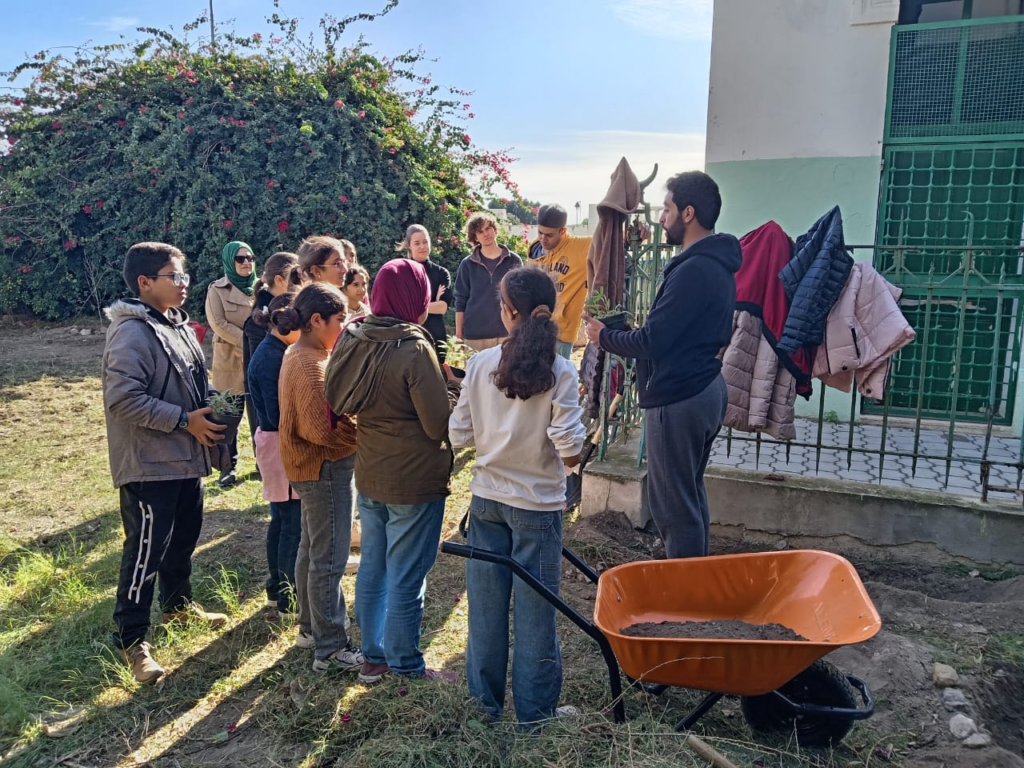
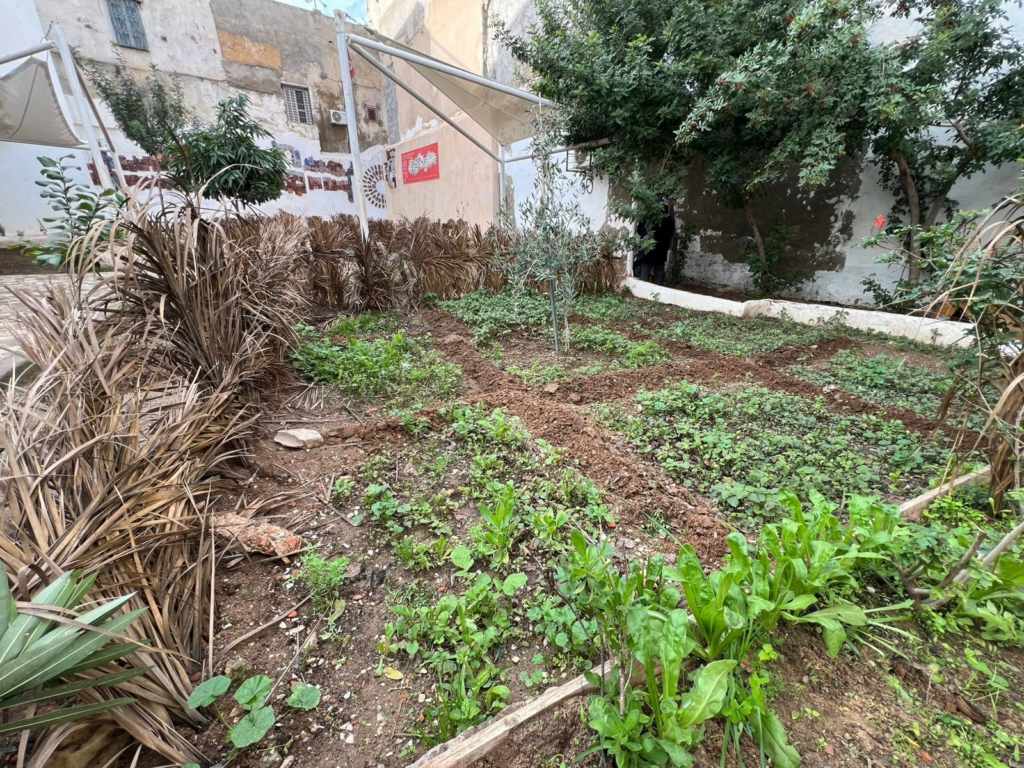
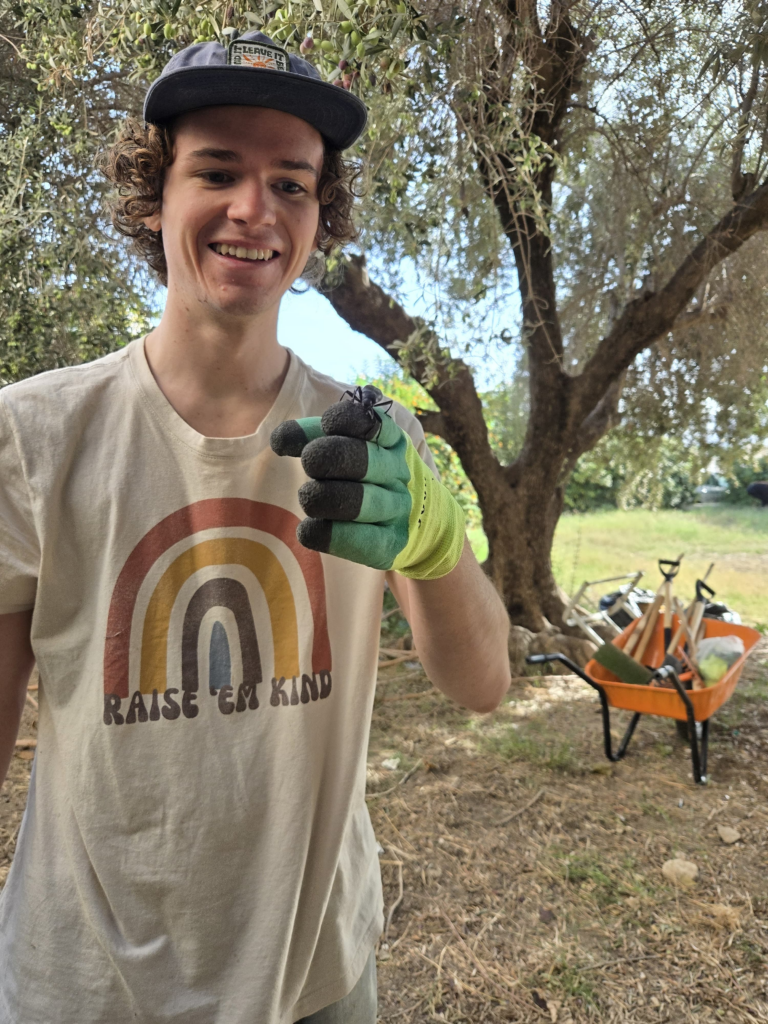
During this project, not only did I get to feel like a member of the neighborhood where I lived, I learned a lot about planting seeds—something it turns out humans have been doing together, for free, for quite a while. But I wasn’t the main character. Urban greening projects are most important for the kids who play in and engage with the space, and will eventually be its custodians. The space, when looked after, is a living model for how to take care of the ecosystems that take care of us.
Until next time,
Lucas
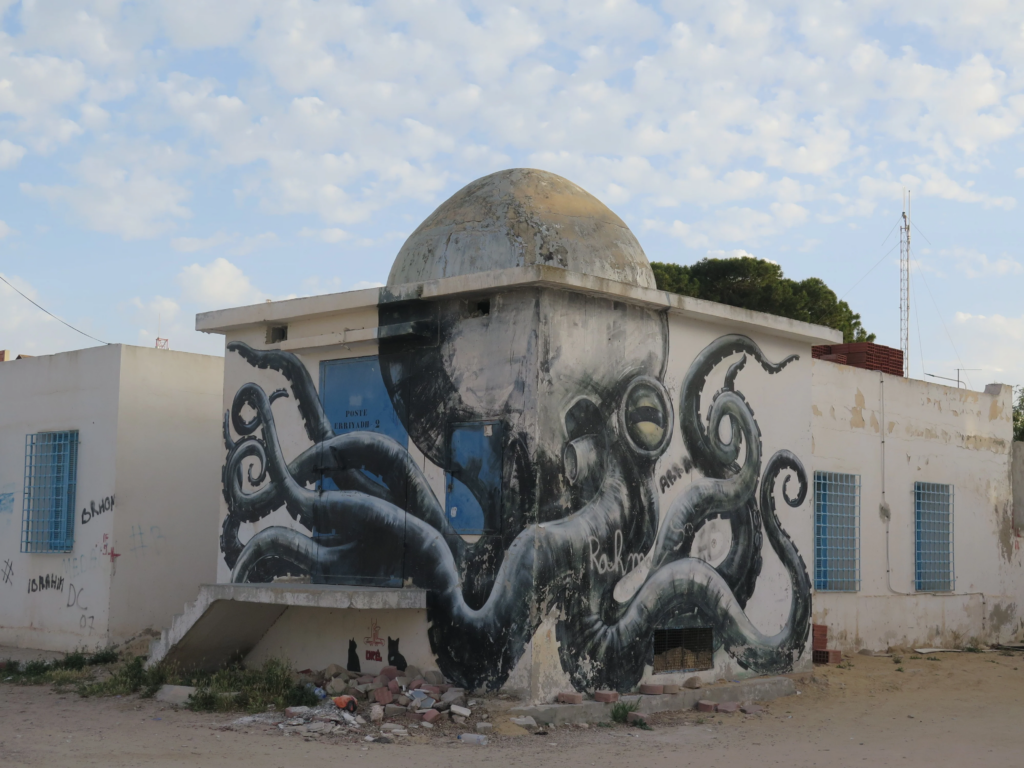
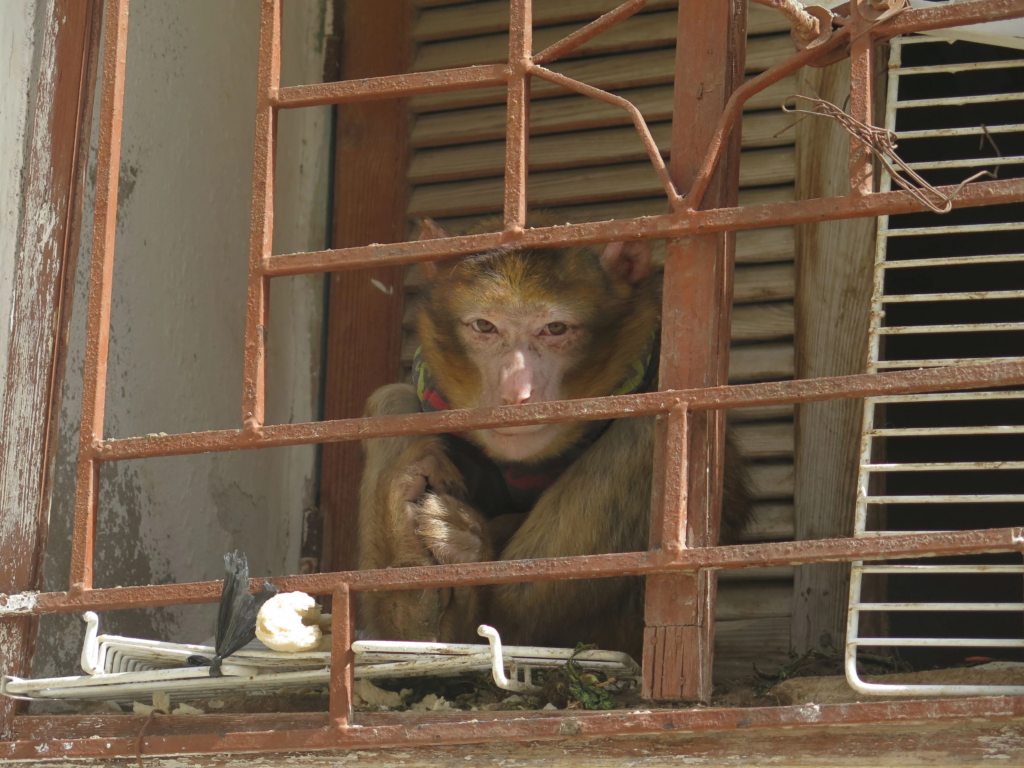
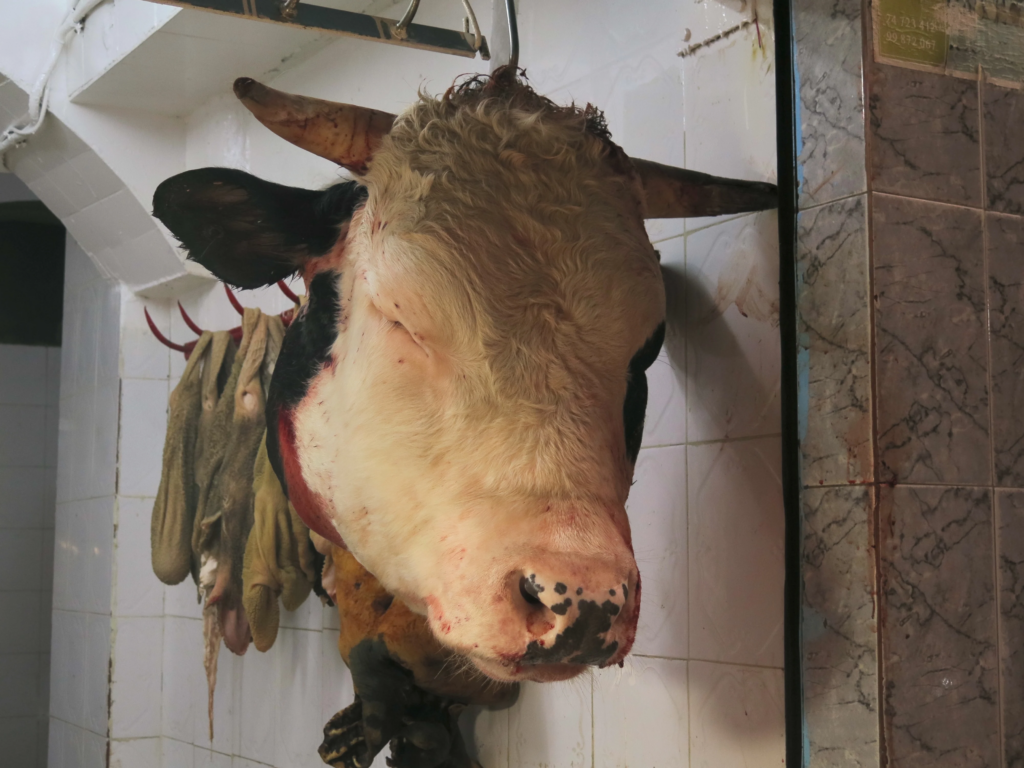
If you made it to the end, thanks for reading. Here’s some more pictures from the last few weeks.